



For people living with diabetes, knowing how to manage hypoglycemia is essential. In the face of a sudden drop in sugar levels, speed and effectiveness are key. One of the most recommended solutions is dextrose, but what exactly is dextrose and why is it so effective?
In this article, we will explore this simple carbohydrate in depth. Its role in treating hypoglycemia and how it can become your best ally in emergency situations. Additionally, we will show you where and how you can buy high-quality glucose tablets to always have on hand. Get ready to learn everything you need to stay safe.
What is dextrose?
Dextrose is a simple sugar, also known as glucose, that acts as a primary energy source for the human body. Chemically, it is a monosaccharide with the molecular formula C₆H₁₂O₆ and is identical to the glucose circulating in the bloodstream. However, the term "dextrose" is usually used especially to refer to the crystalline form of glucose obtained industrially, generally from corn or wheat starch.
This sugar is sweet-tasting, water-soluble, and is quickly absorbed by the body, providing almost immediate energy to cells. For this reason, it is used in medicine. Commonly, in intravenous solutions (such as 5% or 10% dextrose) to rehydrate, treat hypoglycemia, or provide calories to patients who cannot eat normally.
Dextrose also has numerous applications in the food and sports industries. It is used as a sweetener in processed products to improve texture and flavor in cookies, ice cream, or pastries. It is also used as an energy supplement for athletes who require rapid muscle recovery after exertion.
In summary, dextrose is a pure and crystalline form of glucose, fundamental for energy metabolism. It is frequently used in both food and medicine due to its rapid availability and multiple beneficial applications.
However, since it is a simple sugar, excessive consumption can have negative health effects. Especially for people with diabetes or other metabolic conditions.
Where is dextrose found?
Dextrose is naturally present in some foods, mainly in fruits and honey. However, most of the dextrose we consume comes from corn or wheat starch, in processed foods where it is added as a sweetener or preservative.
Some examples of foods with dextrose include:
· Soft drinks and energy drinks.
· Bakery and pastry products.
· Candies, sweets, and chewing gum.
· Sauces and ultra-processed foods.
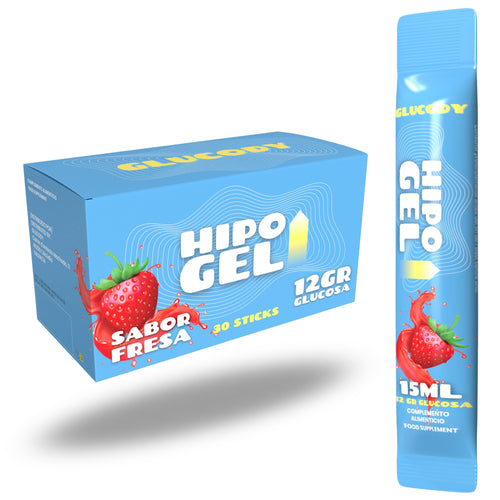
In medicine, dextrose is marketed in different formats: intravenous solutions, syrups, powders, and glucose tablets (you can find them in Glucody). The latter are especially useful for diabetic patients, as they allow precise dosing and a rapid effect.

Uses of dextrose
Dextrose has multiple applications in the food industry, sports field, and medical field.
In sports
Athletes and people who perform intense training often turn to dextrose as a quick source of energy. Being an immediately absorbed carbohydrate, it helps to:
· Recover muscle glycogen after exercise.
· Prevent fatigue and dizziness during prolonged training.
· Improve endurance in high-intensity activities.
For this reason, many sports supplements include dextrose as a main ingredient. However, although it is a very accessible supplement for athletes, it is most advisable to use it under professional medical advice.
As a medication
In medicine, dextrose is mainly used to treat:
· Hypoglycemia in patients with diabetes.
· States of malnutrition or extreme weakness.
· Intravenous rehydration in hospitalized individuals.
The most common use among diabetic patients is glucose tablets, which allow controlled and safe intake in case of low blood sugar. At Glucody you can buy glucose tablets specially designed for this purpose.
Is dextrose the same as glucose?
Although many people think they are the same and often get confused, it is important to clarify the relationship between dextrose and glucose.
· Glucose is the sugar present in the blood and in many foods. It is the main fuel for our body.
· Dextrose is the form of glucose generally obtained from corn starch (chemically they are the same molecule).
In other words, every time you consume dextrose, your body recognizes and uses it exactly like glucose. This is why it is widely used in medical products for diabetics as well as in energy supplements.

Contraindications of dextrose
Despite its many benefits, not everyone can or should consume dextrose without caution. For example:
· Patients with hyperglycemia: those who already have high blood sugar should avoid its consumption.
· People with insulin resistance or poorly controlled diabetes: excessive use can worsen the problem.
· Obesity or overweight: like any simple sugar, its abuse contributes to weight gain.
· Allergy or intolerance to corn: since most dextrose is obtained from corn.
Therefore, it is recommended that its consumption is always supervised by a specialist. Especially in the case of people with chronic diseases.
Dextrose, an ally but with caution
Now that you know what dextrose is, where it is found, and how it can help you, it is clear that it is a very useful tool both in sports and in diabetes management. However, as with all simple sugars, its use should be moderate and adjusted to each person's needs.
For those living with diabetes, having fast-acting products like glucose tablets on hand is essential to avoid risks in case of hypoglycemia.
Glucody, practical solutions for your well-being
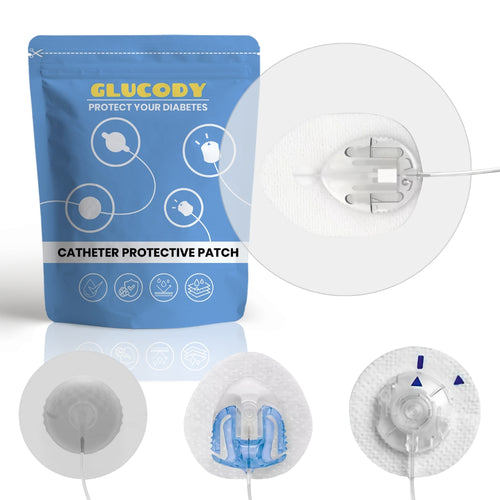
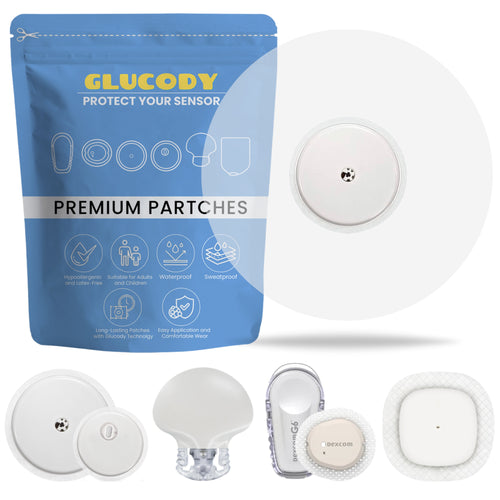
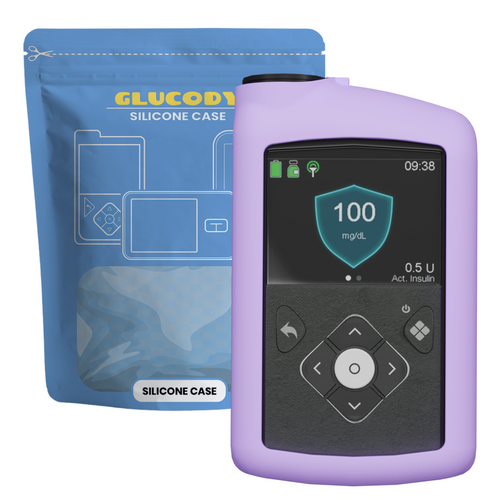
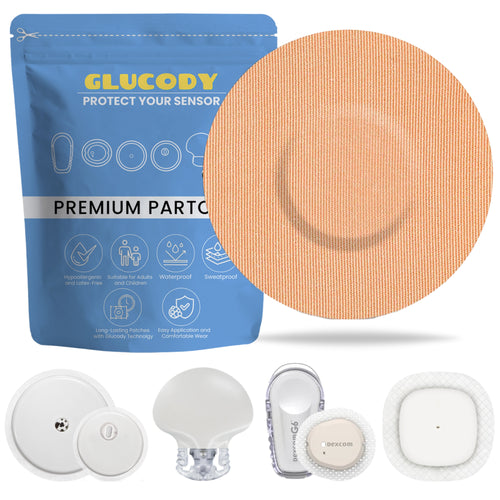
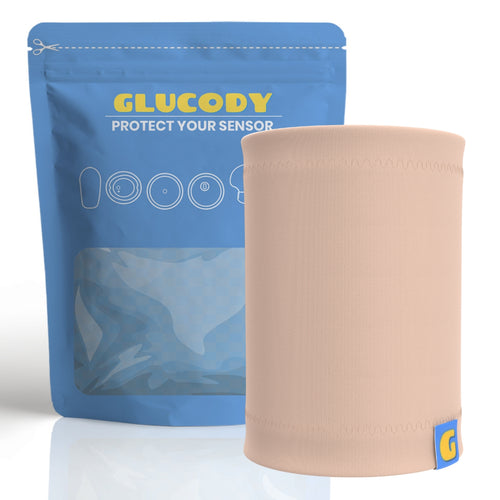
At Glucody we know that every detail matters when it comes to taking care of your health. That's why, in addition to accessories like patches and protective cases, you can also buy high-quality glucose tablets. Designed and made to help you control hypoglycemia immediately.
Our commitment is to support you with products designed for your well-being and adapted to your lifestyle.
Take the next step and visit our online store: at Glucody you'll find everything you need to manage your diabetes with safety, confidence, and a personal touch.


