Avoiding nighttime hypoglycemia requires action at three key moments: before going to bed, during the night, and at the first signs of symptoms. The good news is that with the right adjustments in diet, monitoring, and insulin, most episodes are perfectly preventable.
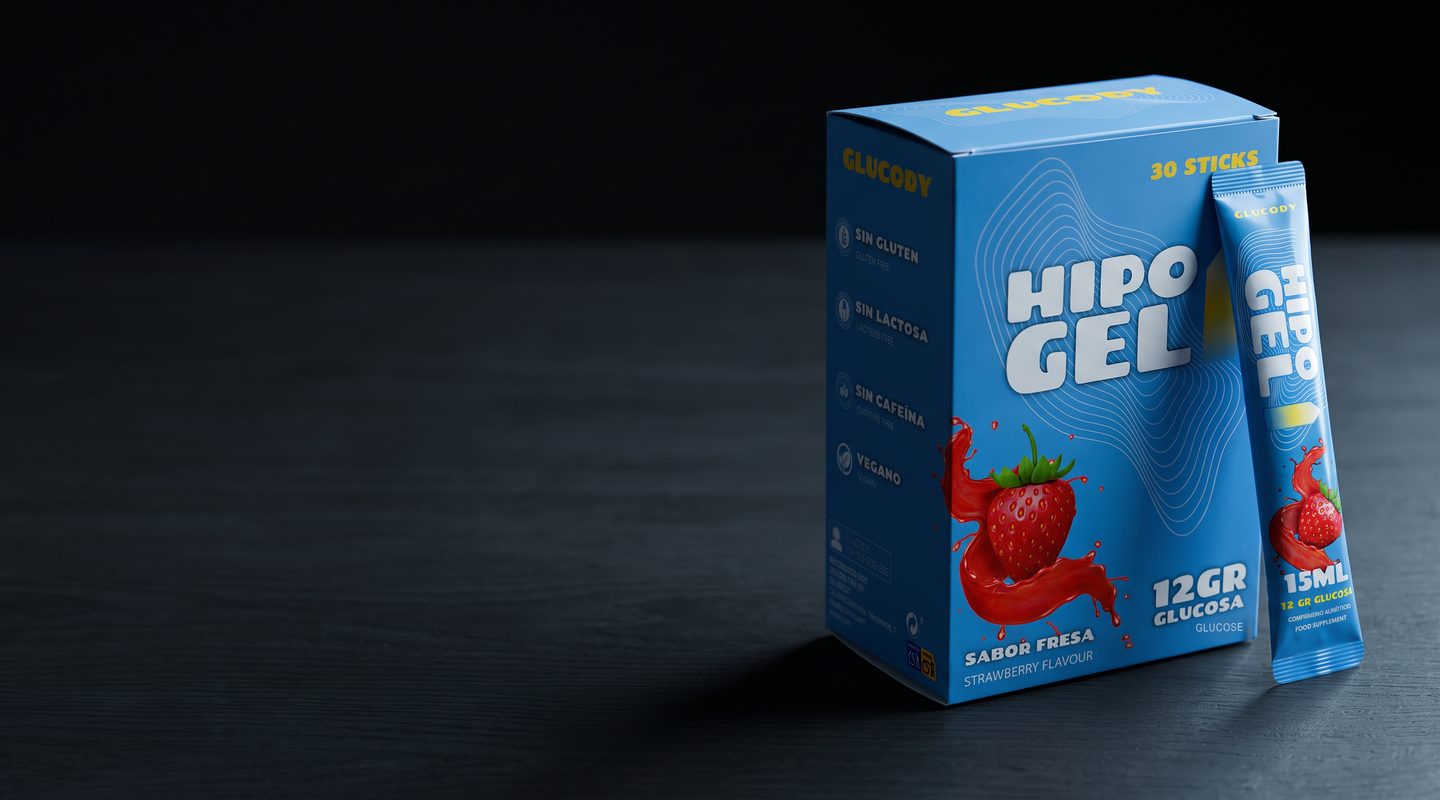
In this article, you will find the most effective strategies organized by time of application, including something that very few articles explain: what to do when you are already in bed and notice something is wrong. If you want to always have fast-acting glucose on hand in case of a drop, at Glucody you can buy flavored glucose tablets in convenient formats designed for people with diabetes.
What glucose level should you have before going to bed
The first step to prevent a nighttime drop is to know your starting point. The International Society for Pediatric and Adolescent Diabetes (ISPAD) states that ideal blood glucose values before sleeping are between 80 and 140 mg/dL, measured at least two or three hours after dinner.
If your reading is below 100 mg/dL at bedtime, the likelihood of experiencing nighttime hypoglycemia increases significantly, especially if you have exercised that day or consumed alcohol. In that case, it is most advisable to have a small snack before going to bed, not because of a generic rule, but because your liver glycogen may be lower than usual and the liver has fewer reserves to compensate for the drop during sleep hours.
If your value is consistently above 140 mg/dL before sleeping and you still have nighttime hypoglycemia, you may be experiencing the Somogyi effect: a sharp drop during the night that the body compensates for by releasing counter-regulatory hormones, causing reactive hyperglycemia upon waking. It seems contradictory, but it happens. Discussing this with your medical team is essential to adjust the basal insulin dose.

What should you have for dinner to avoid nighttime hypoglycemia?
Diet is the most direct factor over which you have immediate control. Two moments are especially relevant: dinner and the pre-sleep snack.
Dinner that stabilizes glucose throughout the night
A dinner that raises blood glucose very sharply may seem safe in the short term, but it promotes a peak followed by a drop during the first hours of sleep. The key is to combine carbohydrates with protein, healthy fat, and fiber to achieve a flatter and more sustained glucose curve.
A concrete example: if you have white rice for dinner, adding chicken and vegetables lowers the glycemic index of the entire dish. If you also start with a green salad, the fiber slows carbohydrate absorption and improves glucose control during the following hours. Avoid very late dinners and very large meals just before sleeping, as they hinder both digestion and glucose regulation.
The ideal snack before sleeping
If your blood glucose is at the lower limit before going to bed, a small nighttime snack can make a difference. The best pre-sleep snacks combine protein, healthy fat, and some slow-absorbing carbohydrate:
- A handful of walnuts or almonds with a couple of whole-grain crackers.
- Low-fat cheese with rye crackers.
- Plain yogurt without sugar with half an apple.
- A boiled egg with a whole-grain toast.
Avoid fast-absorbing carbohydrates alone (juices, very ripe fruit, pastries) because they can cause a peak and subsequent drop, exactly what you want to avoid.
Evening exercise and its delayed effect
Exercising in the afternoon or evening is one of the most underestimated risk factors. The hypoglycemic effect of aerobic exercise does not disappear when the workout ends: it can last up to six hours afterward, consuming muscle and liver glycogen reserves that the body tries to replenish while you sleep.
If you train late in the day, take measures before going to bed regardless of your blood glucose reading. Depending on the type of training, it may be necessary to reduce the dinner insulin dose, increase the pre-sleep snack, or both. This is especially important with high-intensity or long-duration aerobic exercise.
Anaerobic exercise (strength, short sprints) behaves differently: it tends to slightly raise blood glucose in the short term, although the glycogen depletion effect also occurs, but more delayed.
Insulin and alcohol: two factors you cannot ignore
Insulin is the main medical factor behind nighttime hypoglycemia in people with type 1 diabetes or insulin-dependent type 2 diabetes. Current long-acting insulin analogs (glargine, detemir, degludec) have a very flat action profile and pose a low risk if the dose is well adjusted. However, NPH insulin, still used in some cases, has a peak action five or six hours after administration, which can coincide with the first hours of sleep. Any dose adjustment should always be done with your medical team, never unilaterally.
Alcohol temporarily blocks the liver’s ability to release glucose. When the liver is busy metabolizing ethanol, it cannot perform its glucose reserve function, which facilitates a progressive drop during the night. If you drink in the afternoon or evening, check your blood glucose before going to bed even if you feel fine, and consume slow-absorbing carbohydrates even if you are within range.

What to do if you wake up with symptoms in the middle of the night
This is the scenario that worries most and is least clearly discussed. If you wake up sweating, trembling, with palpitations, or intense hunger during the night, you are most likely hypoglycemic. Action must be immediate and proportional.
The 15 rule is the standard protocol: take 15 grams of fast-absorbing carbohydrates, wait 15 minutes, and check your blood glucose. If it remains below 70 mg/dL, repeat. When it rises, eat something more substantial (a snack with protein) to prevent it from dropping again.
That’s why it makes a lot of sense to have fast-acting glucose on your nightstand. The flavored glucose tablets from Glucody are formulated to raise blood glucose quickly without needing to get out of bed to prepare anything. Each tablet provides 2 grams of glucose, allowing precise dosing without the risk of overcorrection and without the sawtooth effect caused by taking too much sugar.
Do not correct with an excessive amount of carbohydrates because overcompensation causes reactive hyperglycemia, which requires insulin correction that can cause hypoglycemia again. This cycle is known as "sawtooth" and is what you want to avoid at all costs.
Continuous monitoring: knowing what happens while you sleep
A continuous glucose monitor (CGM) is the most effective tool to detect nighttime patterns that would otherwise be invisible. It lets you see the time frame when drops occur, how often they happen, and if there is a correlation with exercise, diet, or insulin adjustments.
If you don’t have a CGM, at least systematically check your blood glucose before going to bed, especially on days when you have exercised, consumed alcohol, or changed something in your medication routine. Recording values for a few weeks will give you very valuable information to make decisions with your doctor.
Being prepared is also a way to prevent hypoglycemia
Preventing nighttime hypoglycemia is not just about what you eat or how much insulin you take. It also depends on being able to react quickly and smoothly when an episode occurs.
Having fast-acting glucose tablets on your nightstand, your family or partner knowing how to act, and knowing your nighttime glucose pattern is the trio that turns prevention into something real and not just theoretical. At Glucody, we have been supporting people with diabetes in this task for years: if you want to make sure you never run out of glucose when you need it most, you can buy flavored glucose tablets directly in our store, with free shipping on orders over €29.99.