Hypoglycemia occurs when blood glucose levels drop below what the body needs to function properly. Knowing these values and understanding at what point it is hypoglycemia is essential to react in time and avoid complications.
In this article, you will discover the critical values, the most common symptoms, and how to prevent both daytime hypoglycemia and nighttime hypoglycemia, which often go unnoticed.
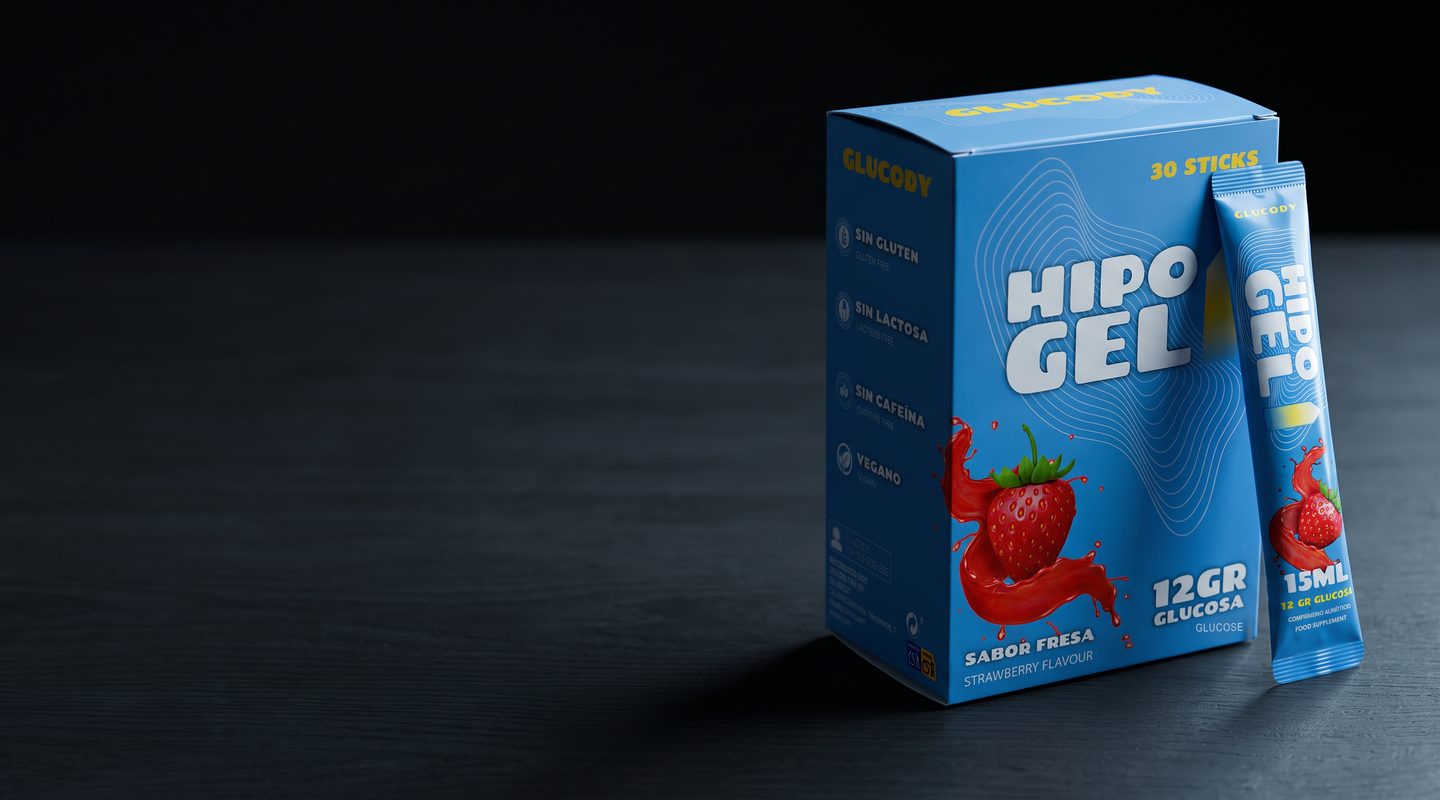
In these low sugar situations, having a Glucody glucose tablet for hypoglycemia can make the difference between a mild scare and a medical emergency.
What is hypoglycemia?
Hypoglycemia is a condition in which the blood glucose concentration falls below the considered normal range. This drop can be due to multiple factors: an excess of hypoglycemic medication, skipping a meal, intense exercise without having eaten enough, or even alcohol consumption.
Glucose is the main source of energy for the body and brain, so its deficit causes immediate reactions: trembling, sweating, confusion, or even loss of consciousness if not corrected in time.
Although it is more common in people with diabetes treated with insulin or antidiabetic pills, it can also occur in people without this condition.

Hypoglycemia values
Identifying from what point it is hypoglycemia helps prevent imbalances and maintain the body's energy balance. Knowing normal glucose values and the thresholds from which it is considered low is essential to act in time.
Let’s now look at the general values and the severity levels most recognized by international medical organizations.
General threshold and level ranges
According to the American Diabetes Association (ADA), a person is considered hypoglycemic when their glucose levels are below 70 mg/dL (3.9 mmol/L). However, there are different degrees depending on severity:
-
Mild or initial level (between 70 and 54 mg/dL): Symptoms usually include trembling, sweating, hunger, or palpitations. It can be easily reversed with food or with a glucose tablet for hypoglycemia.
-
Moderate level (between 54 and 40 mg/dL): At this point, confusion, difficulty speaking, or limited concentration appear. Rapid intervention is required.
-
Severe level (less than 40 mg/dL): It can cause loss of consciousness or seizures and requires urgent medical attention.
Each person may experience different symptoms, so learning to recognize your personal signals is key to preventing severe episodes.
Nocturnal hypoglycemia
Nocturnal hypoglycemia occurs while we sleep and often goes unnoticed. It usually happens when insulin or hypoglycemic medications have been administered at dinner; evening exercise has been done; or insufficient carbohydrate has been consumed before sleeping. They are especially dangerous because, if you do not wake up, the episode can last for hours.
Some warning signs are:
-
Waking up drenched in sweat.
-
Morning headache.
-
Excessive tiredness upon waking.
-
Nightmares or intense dreams.
If you suspect you suffer from nocturnal hypoglycemia, consult your doctor and review your doses or meal times.
How to recognize it: symptoms and signs
The body usually gives clear warnings when blood sugar drops too quickly. Learning to recognize them is vital to avoid dangerous situations.
The most common symptoms of hypoglycemia include:
-
Cold sweat and trembling.
-
Palpitations or feeling anxious.
-
Headache or dizziness.
-
Sudden hunger.
-
Blurred vision.
-
Mental confusion or difficulty speaking.
-
In severe cases: disorientation, loss of coordination, or fainting.
If you notice any of these symptoms, it is best to always keep fast-acting products on hand such as a glucose tablet for hypoglycemia. At Glucody you will find safe, convenient options with pleasant flavors to take wherever you need.
What to do in case of hypoglycemia
When values drop below 70 mg/dL, the immediate goal is to quickly raise blood glucose. The 15-15 rule is the most commonly used:
-
Consume 15 grams of fast-absorbing carbohydrates (for example, a glucose tablet or gel, half a glass of juice, or a tablespoon of sugar).
-
Measure glucose again after 15 minutes.
-
If the level remains below 70 mg/dL, repeat the process.
Once stabilized, it is recommended to eat a snack with slow-absorbing carbohydrates (bread, crackers, or fruit) to maintain stable sugar levels.
Remember, prevention is easier when you are prepared. At Glucody you can find all the support products for daily glucose control and keep your safety always within reach.

How to prevent it day to day
Avoiding hypoglycemia episodes requires knowing your body and maintaining stable habits:
-
Regularly monitor your glucose levels: Continuous sensors or glucometers are essential tools to detect changes in time.
-
Don’t skip meals: Eating at regular intervals helps keep glucose stable.
-
Adjust your medication and exercise: If you do physical activity, consult your endocrinologist about the need to adjust doses or add carbohydrates before training.
-
Avoid excessive alcohol consumption: Alcohol can interfere with the release of liver glucose and cause sharp drops during the night.
-
Always have a fast-acting food or supplement with you: Glucose tablets for hypoglycemia or gels are the best option to act quickly.
-
Monitor your sleep hours: Nighttime hypoglycemia is more frequent in people with irregular routines or who eat little at dinner. Including a small snack before bed can make a difference.
Protect yourself with the best products for daily glucose management. Visit Glucody and discover accessories, patches, covers, and supplements specially designed for people with diabetes.
Live peacefully with your glucose levels under control
Recognizing the symptoms and knowing from what level hypoglycemia starts gives you the power to act in time. Take care of yourself, stay informed, and trust Glucody, your ally in daily control and well-being.
At Glucody we know that every little detail counts: from protecting your sensors to the daily care of your energy. Having a glucose tablet for hypoglycemia on hand, and maintaining consistent habits are essential steps to living a full and safe life with diabetes.