Understanding whether hypoglycemia is serious or how serious it is, is essential for anyone living with diabetes or at risk of low blood sugar. When blood glucose levels drop too low, the body needs an immediate response. This condition may seem mild at first, but if not treated promptly, it can cause severe symptoms and even threaten life.
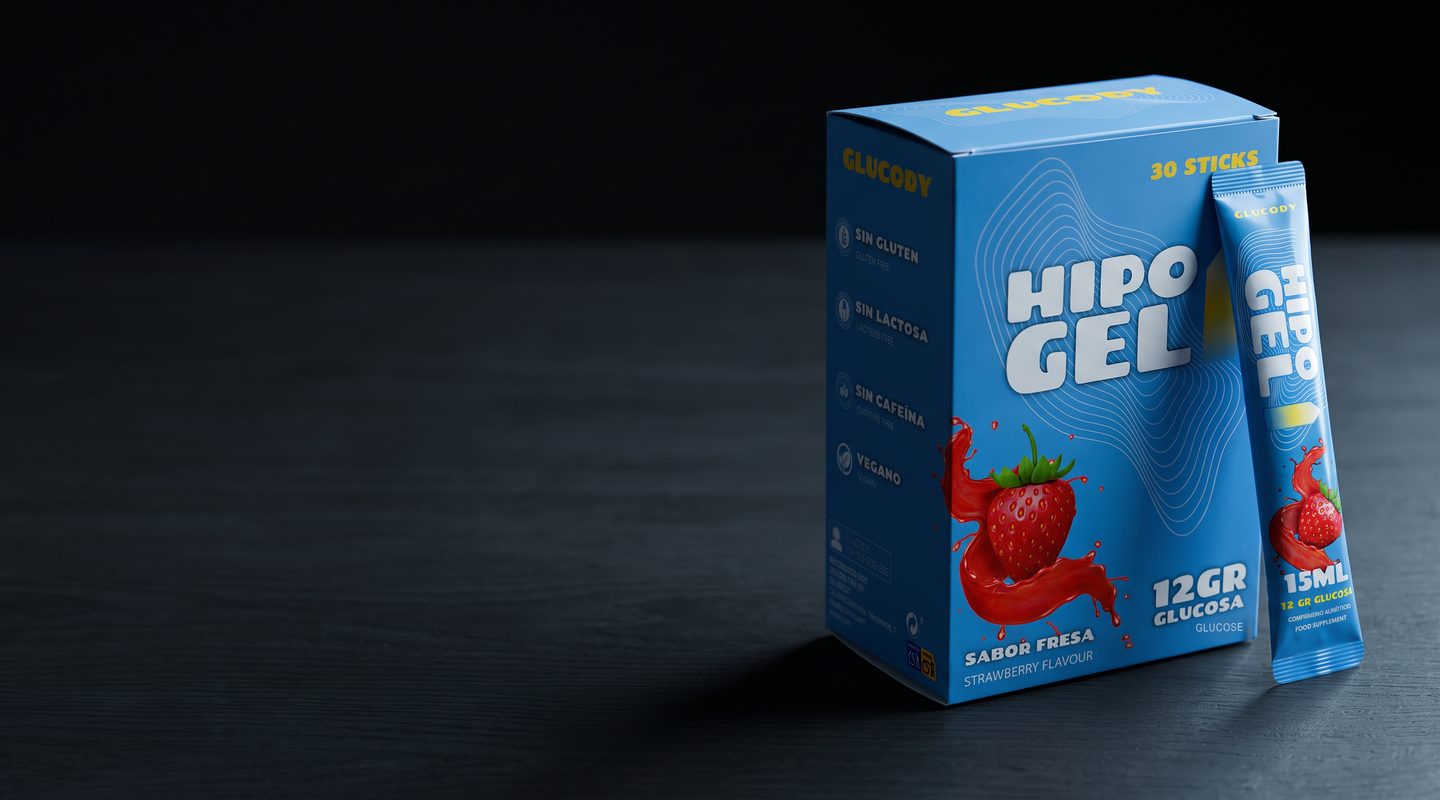
A glucose tablet for hypoglycemia is one of the fastest and most effective ways to stabilize sugar and avoid complications. In the following lines, we will tell you what you need to know about blood sugar. You will learn exactly what happens in the body and how to prevent these episodes to maintain stable glucose control.
What hypoglycemia is and why it happens
Glucose is the main fuel for the brain and muscles. If the level drops too much, the body goes into alarm mode, producing symptoms such as cold sweat, trembling, intense hunger, or mental confusion.
Hypoglycemia occurs when blood glucose levels fall below what the body needs to function properly. Generally, hypoglycemia is considered when the value falls below 70 mg/dL (3.9 mmol/L).
Its most common causes include:
-
Excess insulin or diabetes medication.
-
Skipping meals or not consuming enough carbohydrates.
-
Intense physical exercise without sufficient energy intake.
-
Drinking alcohol on an empty stomach or in excess.
Although it can occur in people without diabetes, the risk is higher for those using insulin treatments or blood sugar-lowering drugs.

When hypoglycemia is considered serious
Not all drops in blood sugar (hypoglycemias) are the same. Some can be easily corrected with a glucose tablet for hypoglycemia, while others require urgent medical attention.
Some people experience severe hypoglycemia without realizing it, a phenomenon known as unaware hypoglycemia, which increases the risk of critical episodes.
Determining if hypoglycemia is serious depends on sugar values and how the body reacts to that drop.
Glucose levels and warning symptoms
According to the American Diabetes Association (ADA), low glucose levels (hypoglycemia) can be classified into three main stages:
-
Mild (between 70 and 54 mg/dL): The body begins to release adrenaline. Tremors, anxiety, hunger, and sweating appear. This is the ideal time to act and take a glucose tablet or consume a quick source of sugar.
-
Moderate (between 54 and 40 mg/dL): The mind slows down and dizziness, weakness, or difficulty concentrating appear. If not corrected, it can progress to a more dangerous phase.
-
Severe hypoglycemia (less than 40 mg/dL): At this point, the person may suffer loss of consciousness, seizures, or even hypoglycemic coma. It is considered a medical emergency and requires immediate assistance.
Not only the glucose meter can tell you if hypoglycemia is serious: it is also important to pay attention to symptoms. At Glucody, we are guardians of your safety. We offer accessories and supplements that help you control your glucose in a practical and reliable way every day.
Consequences of severe hypoglycemia
When sugar levels drop sharply or for a prolonged time, the brain — which constantly needs glucose — can be affected. This can result in:
-
Loss of consciousness or seizures.
-
Neurological damage, temporary or permanent.
-
Heart rhythm disturbances.
-
Risk of accidents.
Keep control and avoid unnecessary scares: understand that yes, hypoglycemia is serious. Even a mild drop can become dangerous if not treated properly or if it happens frequently.
At Glucody you will find products designed to accompany you in your daily life: cases, protective patches, wristbands, and supplements for your glucose control.
How to prevent severe hypoglycemia episodes
Once you understand that hypoglycemia is serious, you should focus on acquiring the right habits and tools to minimize the risk.
-
Control your glucose levels: Use a glucose meter or continuous sensor to know your values throughout the day and detect drops before they become dangerous.
-
Do not skip meals: Eating at regular times maintains a steady release of glucose. If you are going to delay a meal, carry a snack or a glucose tablet with you.
-
Adjust your medication with medical help: Never change insulin or medication doses on your own. Changes must be made under medical supervision, especially if you exercise more.
-
Be cautious when exercising: Before an intense session, consume carbohydrates or check your glucose level. Always carry a fast-acting supplement with you.
-
Avoid excess alcohol: It can interfere with glucose production in the liver and cause nighttime hypoglycemia.
-
Learn to recognize your symptoms: Each body is different. Note when and how your symptoms appear to act quickly in the future.
-
Always have a source of quick glucose: Glucose tablets are compact, safe, and easy to use. They are the most effective way to counter a sudden drop.
Prepare for any situation. Discover the best glucose tablets for hypoglycemia and other accessories for your well-being at Glucody, your specialized store for products for people with diabetes.

Live calmly and in control
To know if hypoglycemia is serious, it is not enough to know the numbers on the glucose meter; you must also understand your body and act preventively. A mild drop can be easily resolved, but ignoring it or not treating it can lead to serious consequences.
At Glucody, we work to make your daily life easier. We offer specialized products to protect your devices, control your glucose, and act quickly when you need it.
Carrying a glucose tablet for hypoglycemia, maintaining a balanced routine, and using products designed for your comfort are simple steps that will help you live without surprises.