



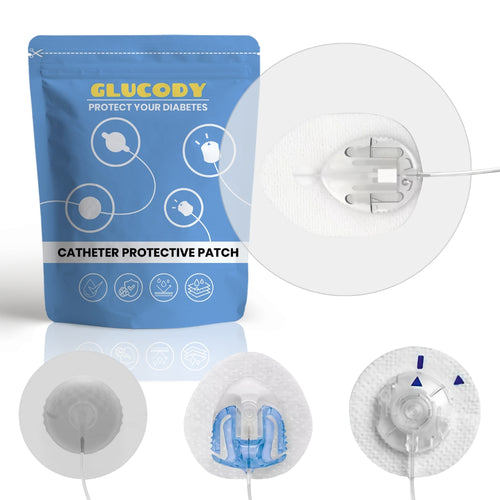
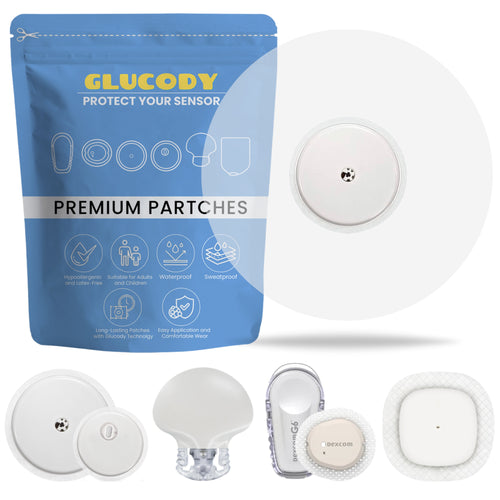


The best protective patches for diabetes sensors are those that keep the device fixed throughout its lifespan: with water, sweat, and movement. There is no universal patch. Size, adhesive, and material vary depending on the sensor you use and your lifestyle, and choosing the wrong one can cost you a sensor that detaches prematurely.
In this guide, you will see which features a protective patch must have, how to choose one based on your sensor, and when to replace it. If you already know what you need, you can see all available models in the Glucody diabetes patches collection.
What is a diabetes sensor?
A diabetes sensor is a small device that measures glucose (blood sugar) levels in real time through a filament placed under the skin. This sensor communicates with a reader or a mobile app to show glucose variations throughout the day and night.
The most popular are FreeStyle Libre, Dexcom G6/G7, and Medtronic Guardian, which are usually worn for 7 to 14 days. However, their original adhesive can come off due to sweat or friction, which can affect readings or even cause the sensor to detach prematurely.
This is where patches for covering the diabetes sensor come into play, a simple but effective accessory designed to protect the device and extend its lifespan.

Why use a protective patch?
Using patches to cover the diabetes sensor is not just an aesthetic matter but also one of safety and comfort. These are some of the main reasons for their use and benefits:
-
Longer sensor life: they help keep the device firmly in place even during sports or daily showers.
-
Skin care: hypoallergenic materials reduce irritation or redness caused by the original adhesive.
-
Prevention of accidental detachments: they are very useful for children or people with an active lifestyle.
-
Comfort and confidence: they provide peace of mind to the user knowing their sensor is protected and secure.
Unlike insulin patches, whose purpose is to deliver medication, protective patches for diabetes sensors serve a different function: to keep the device fixed, secure, and protected from water or friction.
What should a patch for covering the sensor have?
Choosing a good patch is essential to ensure the proper functioning of the sensor and maintain skin comfort. Below, we tell you which features cannot be missing.
Protection
The main goal of a patch is to protect the sensor from water, sweat, and movement. Therefore, the material must be elastic, breathable, and water-resistant, so it adapts to body movements without peeling off. The best protective patches offer a firm hold even after several showers or intense workouts.
At Glucody, each design has been tested to ensure the sensor remains stable throughout its use. Discover all our available models and choose the one that best suits your device and lifestyle.
Customization
Wearing a sensor doesn’t have to be boring. There are patches with different colors, patterns, and shapes that allow you to personalize the device and make it part of your style. In children and adolescents, a fun design can increase emotional comfort with the treatment.
At Glucody, we understand that each person is different, which is why we offer a wide range of designs that combine fashion and functionality.
Quality materials
Skin is sensitive, so it is essential to choose hypoallergenic, breathable, and medical-grade patches. The best patches are made with quality fabrics that adhere without causing irritation and allow the skin to breathe during days of continuous use.
Some of Glucody's customer testimonials summarize it well: "These patches are ideal for sensitive skin, the adhesive does not irritate at all," "they hold up perfectly against water and sweat," or "I buy them very often, no other brand had given me such good results." These are the kinds of details that can only be verified through real use.
How to choose the patch according to your sensor?
Not all patches work for all sensors. Before buying, check which of these devices you are compatible with:
- Freestyle Libre 1 and 2: share similar dimensions (about 35 mm in diameter), so the same patches work for both. They are the most widespread in Spain and have more design options available.
- Freestyle Libre 3: It is smaller and thinner than its predecessors. Universal patches tend to be loose at the edges and lose adhesion sooner. Look for patches specifically designed for it or confirmed compatible ones.
- Dexcom G6 and G7: have a higher profile than the Freestyle Libre. They need patches with a wide central cut that surrounds the transmitter without pressing it. A flat patch without a cut can cause pressure and lead to unstable readings.
- Medtronic Guardian: has a larger adhesive surface and holds well during the first days, but for active people or those with oily skin, reinforcement patches significantly extend its lifespan.
How to properly apply a protective sensor patch
To ensure the best adhesion and patch durability:
-
Clean the area with an alcohol wipe and let it dry.
-
Avoid creams or lotions, as they reduce the adhesive’s effectiveness.
-
Place the patch centered over the sensor.
-
Press firmly for 30 seconds.
-
Replace it when the edges lift or after a long bath.
By following these steps, you’ll improve sensor durability and protect your skin.

When to change the protective patch?
The patch should be changed when the edges start to lift or after prolonged immersion in a pool or sea. Don’t wait for it to fall off completely: a loose edge traps moisture underneath and speeds up the sensor’s detachment.
As a reference, Glucody patches last between 5 and 14 days depending on the model and activity. If you swim or do contact sports frequently, changing it every 5-7 days is safest.
Live freely and confidently thanks to Glucody.
At Glucody, patches to cover diabetes sensors combine functionality and design, offering a wide variety of models for adults, children, and athletes, all made with safe and durable materials.
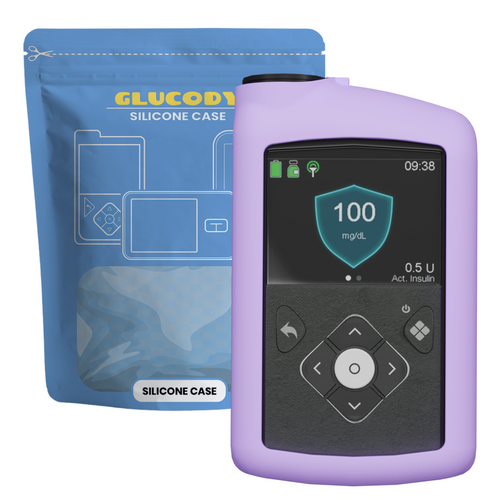
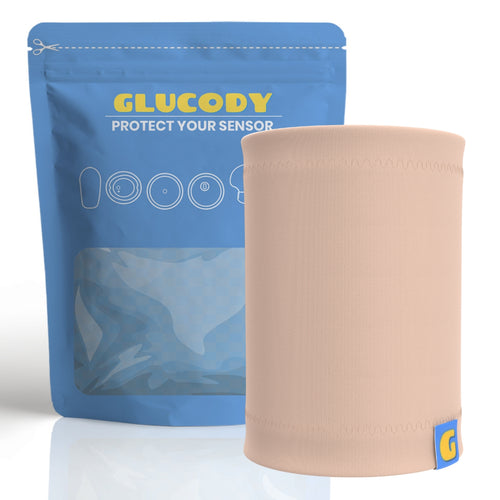
Additionally, you can complement your purchase with insulin pump covers, protective armbands, or glucose gels, designed for your daily well-being.
Choosing the best protective patches for your sensor improves your comfort and ensures your device functions properly.
If you’re looking for quality, comfort, and style, explore the full collection of diabetes patches and find the perfect design for you. Visit Glucody and discover how our accessories can help you feel freer, more active, and protected.
Glucody's diabetes patches are available in packs of 10 and 20 units, in transparent, solid colors, and designs, compatible with all sensors on the market. Free shipping from €29.99.


