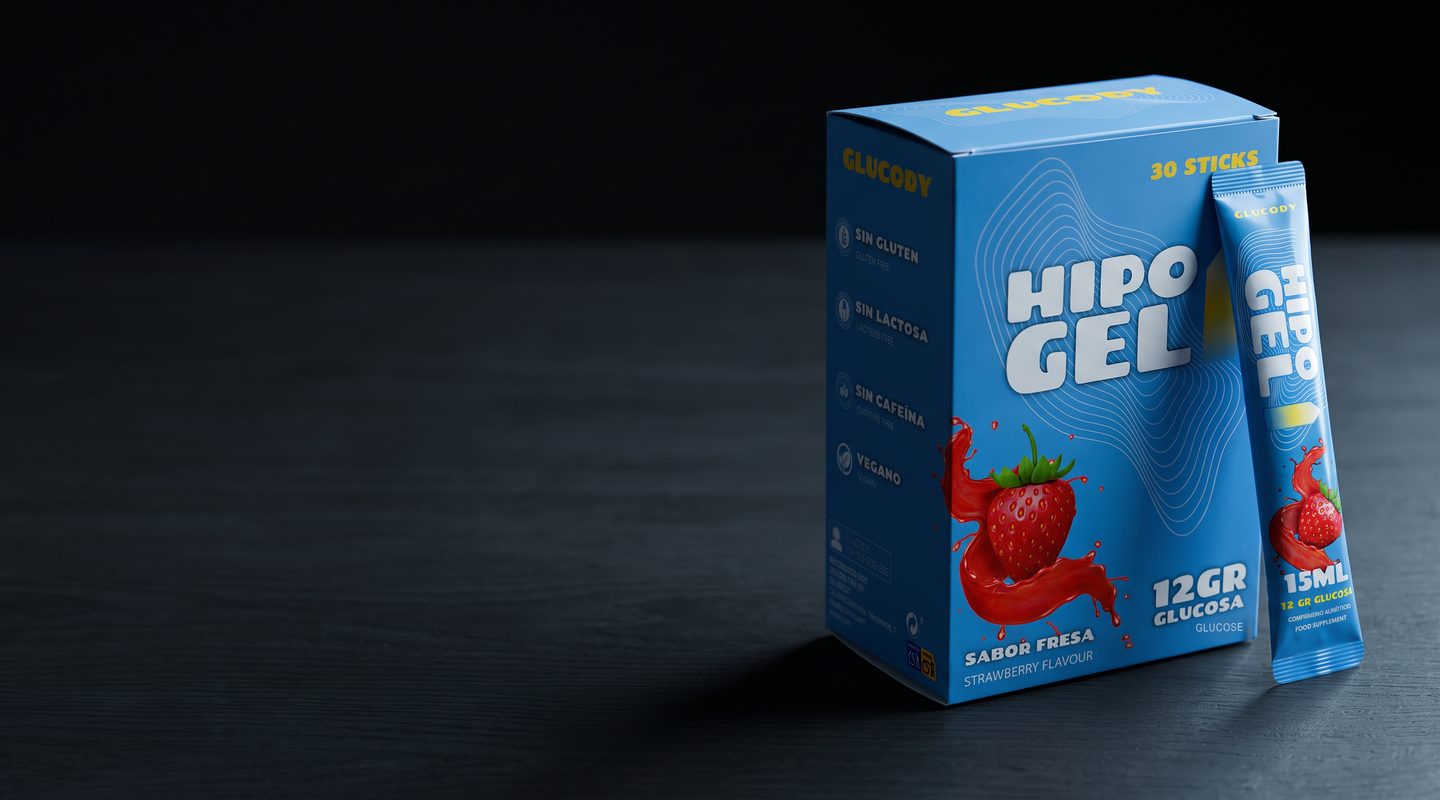
Knowing what causes hypoglycemia or what triggers it is key to preventing risky situations and maintaining a balanced life if you live with diabetes. In these cases, when blood sugar levels drop dangerously, having a glucose tablet to counteract hypoglycemia on hand can be the fastest and safest way to restore balance.
This sudden drop in glucose can occur for various reasons, and recognizing them in time helps to act before symptoms worsen. At Glucody we understand how difficult it can be to live with diabetes. For this reason, we tell you the most common causes, how to identify the first signs, and what to do to avoid recurring episodes of hypoglycemia.
What hypoglycemia is and why it happens
Glucose is the fuel that keeps the body's vital functions running, especially the brain, which depends almost entirely on it. Hypoglycemia occurs when the amount of glucose in the blood falls below normal values, generally 70 mg/dL (3.9 mmol/L).
When levels fall too low, the body is forced to react. It releases adrenaline, triggers hunger signals, and causes symptoms such as trembling, sweating, or weakness. Hypoglycemia can affect both people with diabetes and those without it, although it is more common in those who use insulin or medications that stimulate the production of this hormone.
Understanding what causes hypoglycemia helps to adjust diet, medication, and daily habits to keep glucose stable. At Glucody you will find practical and safe solutions for your daily control, such as protective patches, sensor covers, and specific products to treat glucose drops.

Causes of hypoglycemia
Although hypoglycemia can occur in different people for different reasons, there are several factors that tend to repeat. Knowing them will allow you to anticipate and act quickly.
Excess insulin or medication
Among the most common causes of hypoglycemia in people with diabetes are:
Administering a dose of insulin higher than necessary or taking medications that lower sugar without proper control. This can happen due to an error in calculating the dose, applying too much fast-acting insulin, or not having eaten enough after medicating.
Some oral drugs for type 2 diabetes, such as sulfonylureas, can also induce hypoglycemia if combined with irregular meals or intense physical activity.
The drop can be sudden. So check your doses with your endocrinologist, monitor your readings, and always carry a fast-acting glucose supplement with you. In these cases, having a glucose tablet to counteract hypoglycemia on hand is essential to stabilize the sugar level before severe symptoms appear.
Skipped meals or intense exercise
Additionally, hypoglycemia can occur from going too many hours without eating or doing intense physical activity without having consumed enough carbohydrates.
During exercise, muscles consume large amounts of glucose, and if reserves are insufficient, blood levels can drop significantly.
When a meal is skipped: the body continues to use energy, even though no sugar has been received.
It is also important to be cautious after exercising, as insulin sensitivity increases for several hours and can cause a late drop in sugar, even during the night.
At Glucody you can find ideal supplements to avoid sudden glucose drops and keep safe during your workouts.
How to recognize a sugar drop
Detecting the first signs of hypoglycemia is essential to avoid dangerous complications. The body usually warns through clear physical and emotional symptoms.
The most common are:
-
Cold sweat, trembling, or paleness.
-
Sudden hunger or anxiety.
-
Dizziness or feeling weak.
-
Palpitations, nervousness, or irritability.
-
Difficulty concentrating or speaking.
-
Headache or blurred vision.
-
In more severe cases: disorientation, seizures, or loss of consciousness.
These symptoms usually vary depending on the person and how quickly glucose levels drop. People who have had frequent episodes may experience “unaware hypoglycemia,” where symptoms lessen or disappear. Continuous monitoring with sensors or glucose meters is key.
At Glucody you will find accessories to protect your sensor, keep it secure, and measure your glucose comfortably and safely throughout the day.

How to prevent hypoglycemia
The best way to avoid hypoglycemia is to maintain a balanced routine:
-
Control your meal times: Avoid long fasts and do not skip any main meal.
-
Adjust your medication according to your physical activity: Talk to your doctor if you change your exercise routine.
-
Always carry a source of fast glucose: Glucose tablets or gels are compact, effective, and safe.
-
Avoid excessive alcohol consumption: It can interfere with glucose release by the liver.
-
Check your levels before sleeping: Nighttime drops are more common in people who use insulin or have a light dinner.
-
Protect your medical devices: Use suitable patches and covers from Glucody to prevent the sensor or catheter from coming off during the day.
If glucose levels fall below 70 mg/dL, quick action is needed to restore them. The 15-15 rule remains the most effective method:
-
Consume 15 g of fast-absorbing carbohydrates (a glucose tablet to counteract hypoglycemia, half a glass of sugary soda, or a spoonful of honey).
-
Wait 15 minutes and measure your levels again.
-
If the value is still low, repeat the dose.
-
Once stabilized, eat a food with complex carbohydrates to avoid another drop.
Keep control and gain peace of mind
Understanding what causes hypoglycemia is the first step to maintaining control and reducing the risk of complications. At Glucody, our commitment is to support you every day with products designed to improve your well-being: protective patches, sensor covers, wristbands, and accessories made for your comfort and safety.
Also, adopting healthy habits, monitoring your levels, and always having a quick solution on hand (such as a glucose tablet to counteract hypoglycemia) can make a difference.