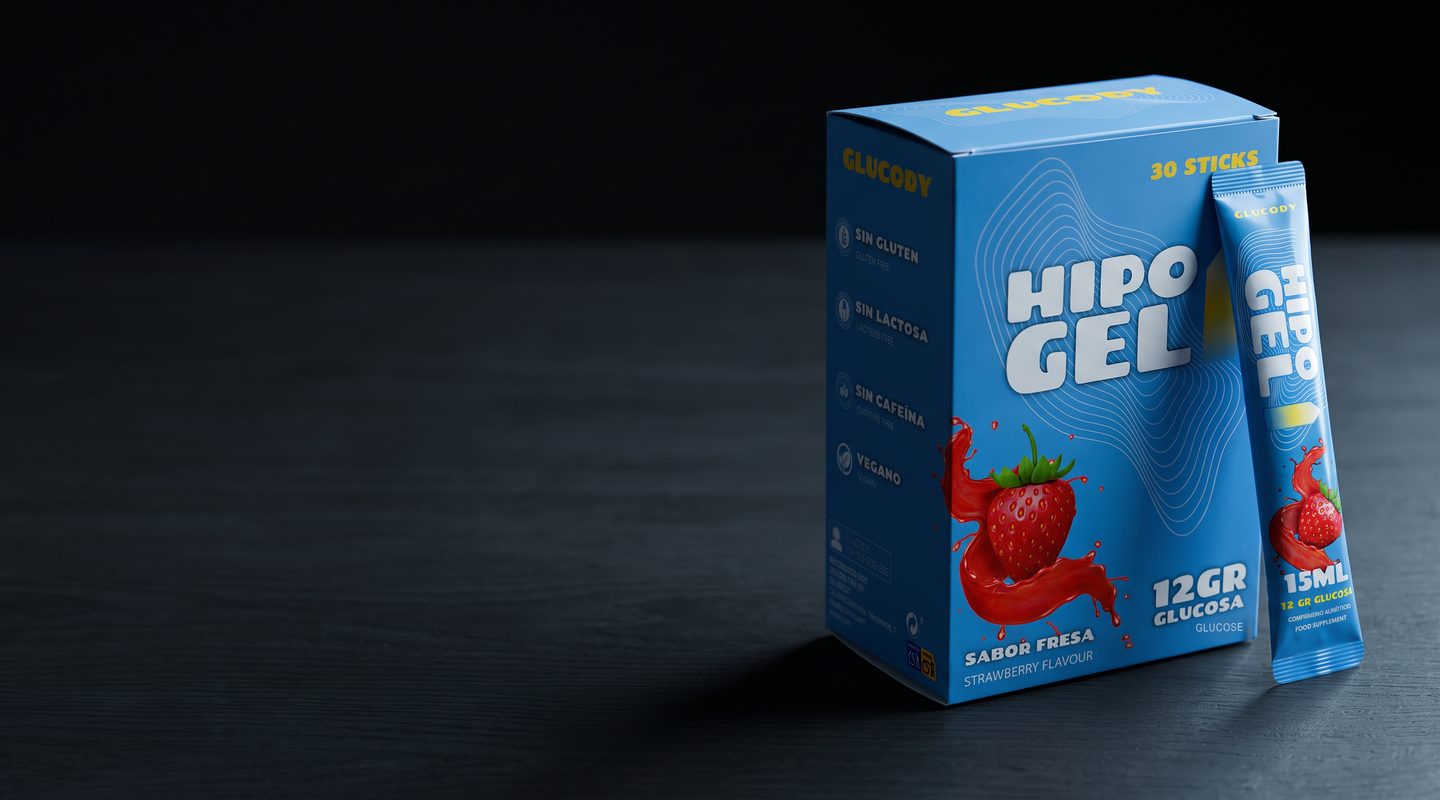
Understanding what diabetic hypoglycemia is is essential for those living with diabetes every day, as it is one of the most common and potentially dangerous complications if not controlled in time.
When sugar levels drop lower than normal, the body runs out of its main energy source, causing symptoms such as tremors, cold sweat, dizziness, or even loss of consciousness.
In these cases, having a Glucody glucose tablet for diabetic hypoglycemia can be a quick and safe solution to stabilize glucose levels and prevent serious consequences.
What it means to have diabetic hypoglycemia
In a person with diabetes, the body does not regulate glucose automatically, so it depends on medication, diet, and daily monitoring. When any of these factors become unbalanced, hypoglycemia occurs.
Diabetic hypoglycemia occurs when blood glucose levels drop below 70 mg/dL (3.9 mmol/L), a threshold considered critical by the American Diabetes Association (ADA). This drop can be caused by excess insulin, physical exertion without sufficient food intake, or simply skipping a meal.

The most common symptoms include:
-
Tremors or sudden sweating.
-
Intense feeling of hunger.
-
Dizziness, confusion, or difficulty concentrating.
-
Palpitations and anxiety.
-
In severe cases, loss of consciousness or seizures.
Recognizing these symptoms in time is essential to act before the situation worsens.
Main causes
Diabetic hypoglycemia can have different causes and is often the result of several combined factors. Knowing them will allow you to anticipate and reduce the risk of repeated episodes.
Excess insulin or medication
One of the most common causes of hypoglycemia is applying more insulin than necessary or taking hypoglycemic medication in doses higher than required. This can happen due to calculation errors, changes in diet, or unplanned physical activity.
Insulin's function is to reduce blood glucose, but when the amount administered exceeds what is necessary, the body is left without enough sugar to maintain its energy balance.
The result is a sudden drop in blood glucose that can manifest a few minutes after application. In these cases, a glucose tablet for diabetic hypoglycemia allows rapid and controlled sugar absorption, avoiding serious consequences.
Lack of food or prolonged fasting
Another quite common cause of diabetic hypoglycemia is not consuming enough carbohydrates or going too long without eating. The body needs a constant source of glucose to maintain energy, and if it does not receive it, it begins to consume internal reserves, causing fatigue and warning symptoms.
The risk is greater if insulin or medication treatment is also maintained. That is why it is important to respect meal times and avoid unnecessary fasting, especially if you do physical activity.
It is also advisable to always carry with you a glucose tablet or some fast-absorbing food, such as juices or cookies, to act in case of any unexpected drop.
Intense physical exercise
Exercise is healthy and always recommended for people with diabetes. But doing intense physical activity without prior adjustment in diet or the appropriate insulin dose can cause a significant drop in blood sugar.
During exertion, muscles use large amounts of glucose, which can cause an energy deficit if not properly compensated. The effect can last several hours, even during the night, leading to nocturnal hypoglycemia.
If you want to avoid it:
-
Check your glucose level before and after exercise.
-
Slightly increase your carbohydrate intake if the activity is prolonged.
-
Carry with you a glucose tablet to respond quickly to any drop.
Remember: stay active and safe. At Glucody you will find products to accompany you in your daily routine and keep control at all times.
What to do in case of a blood sugar drop
In the event of a blood sugar drop (hypoglycemia), it is vital to act immediately.
If the person is conscious, the key protocol is the 15-15 Rule: the person should consume 15 grams of fast-acting carbohydrates (such as half a glass of juice or a tablespoon of sugar or honey). Wait a full 15 minutes and check glucose levels again.
If the level remains low (below 70 mg/dL), the 15-gram dose should be repeated and then wait again.
If the person experiences a severe drop in blood sugar, is unconscious, or cannot swallow, call emergency medical services immediately. Never attempt to force the ingestion of liquids or food, as there is a risk of choking.
Once glucose levels normalize after intervention, the person should consume slow-acting carbohydrates (such as bread or crackers) to stabilize blood sugar and prevent another drop.

How to prevent diabetic hypoglycemia
Preventing hypoglycemia is possible by adopting consistent habits and proper monitoring. These tips can help you maintain daily balance:
-
Monitor your glucose frequently.
-
Follow a regular meal plan.
-
Adjust your medication according to your daily needs.
-
Avoid excessive alcohol consumption.
-
Check your levels before going to sleep.
-
Carry fast-acting glucose with you.
-
Use appropriate accessories.
Prevention starts with preparation. Always carry a glucose tablet for diabetic hypoglycemia with you and maintain your peace of mind at all times with Glucody products.
Take care of your well-being with Glucody
Knowing what diabetic hypoglycemia is and how to manage it allows you to live with greater peace of mind and safety. At Glucody, we work to support you every step of the way: from protective accessories to products for rapid glucose control.
Always have a glucose tablet for diabetic hypoglycemia on hand, watch your diet, and regularly monitor your levels—simple measures that can make the difference between a stable day and a medical emergency.
Take care of your health and live safely. Choose Glucody, your daily ally for diabetes management.