You know you have hypoglycemia when your blood glucose level falls below 70 mg/dL, although symptoms can appear earlier if the drop is very sudden. The problem is that there are not always clear symptoms, and when there are, they can easily be confused with stress, fatigue, or anxiety. In this article, you will find what signs to look for, what figures are normal, and how to distinguish a sugar drop from other situations.
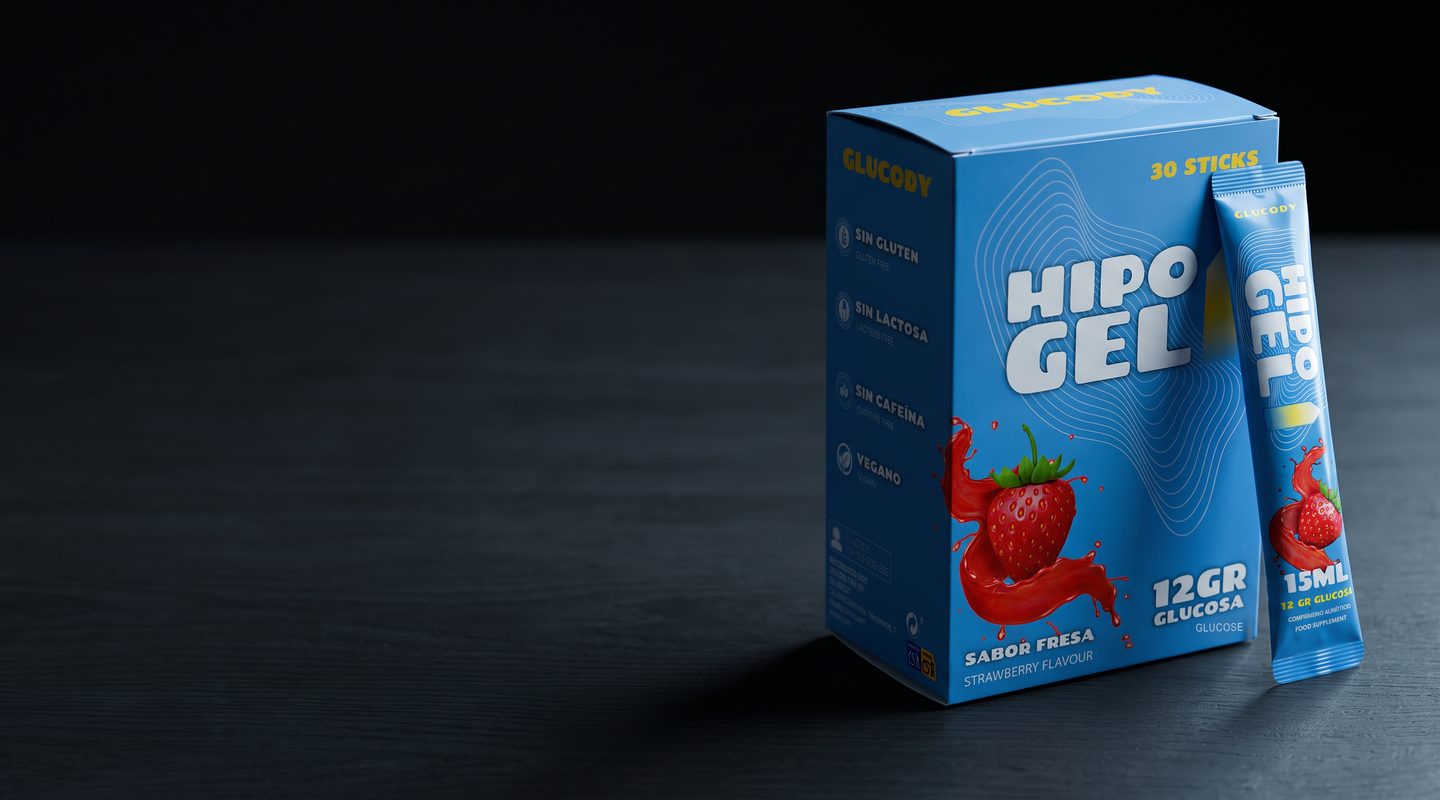
If you already recognize the symptoms and want to be prepared, at Glucody you can find the best glucose gels to always have on hand in case of a drop.
What glucose levels indicate hypoglycemia
The standard threshold used by reference organizations such as the CDC or the American Diabetes Association is 70 mg/dL: below this figure, hypoglycemia is considered in people with diabetes. In people without diabetes, hypoglycemia is usually defined below 55 mg/dL, although it also depends on the symptoms present.
To understand if your levels are normal or not, this reference table can help:
| Time of measurement | Normal level (without diabetes) | Normal level (with diabetes) | Hypoglycemia |
|---|---|---|---|
| Fasting | 70-100 mg/dL | 80-130 mg/dL | < 70 mg/dL |
| 2 hours after eating | < 140 mg/dL | < 180 mg/dL | < 70 mg/dL |
| Before sleeping | 70-110 mg/dL | 80-140 mg/dL | < 70 mg/dL |
| Dangerously low level | — | — | < 54 mg/dL |
These values are guidelines for adults. Your doctor may set personalized thresholds based on your specific situation, especially if you have had diabetes for a long time or use insulin.
An important nuance: symptoms do not always appear exactly at the 70 mg/dL threshold. If your blood sugar drops very quickly, you may notice warning signs even if you are technically within the normal range. What the body detects is not only the absolute value but also the rate of decline.

Symptoms: early signs of a sugar drop
When blood sugar starts to drop, the body releases adrenaline as an alarm mechanism. This adrenaline surge is responsible for the most recognizable symptoms of mild hypoglycemia:
- Trembling in hands or legs
- Sudden cold sweating without apparent cause
- Palpitations or rapid heartbeat
- Urgent and intense hunger sensation
- Nervousness or anxiety without clear reason
- Paleness
- Tingling around the mouth or in the fingers
These symptoms appear because the body tries to mobilize glucose quickly. They are a sign that action is needed, but there is still time to act independently. If you measure your blood sugar now and the value is below 70 mg/dL, you are facing hypoglycemia that requires immediate treatment.
When the drop worsens: symptoms of severe hypoglycemia
If blood sugar continues to drop and no action is taken in time, the brain begins to suffer from lack of glucose. Symptoms shift from adrenergic to neuroglycopenic, meaning they are no longer warning signs but direct consequences of the central nervous system not receiving enough energy:
- Confusion or difficulty thinking clearly
- Difficulty speaking or articulating words
- Double or blurred vision
- Unusual behavior or disorientation
- Severe muscle weakness
- Extreme drowsiness
- In severe cases: seizures or loss of consciousness
At this point, it is no longer possible to act independently. It is a medical emergency that requires external help and, if available, administration of glucagon.
Can I have hypoglycemia without diabetes?
Yes. Although hypoglycemia is usually associated with diabetes, anyone can experience it. The most common contexts outside of diabetes are:
- Intense physical exercise, especially on an empty stomach or without subsequent nutritional recovery
- Very restrictive diets or prolonged fasting that depletes glycogen stores
- Alcohol consumption, which blocks the liver's ability to release glucose
- Meals very rich in simple carbohydrates that cause a spike followed by a sharp drop (reactive hypoglycemia)
In people without diabetes, the diagnostic threshold is usually set below 55 mg/dL along with present symptoms, known as Whipple's triad. If you have frequent episodes of low blood sugar without known diabetes, it is important to consult a doctor to rule out underlying causes.

Symptoms of hypoglycemia vs hyperglycemia: how to differentiate them
Confusing both situations is more common than it seems because some symptoms overlap. This table helps distinguish them:
| Symptom | Hypoglycemia (low glucose) | Hyperglycemia (high glucose) |
|---|---|---|
| Onset | Rapid (minutes) | Gradual (hours or days) |
| Tremor | Very frequent | Infrequent |
| Cold sweating | Yes | No (possible warm sweating) |
| Intense thirst | No | Yes, very marked |
| Need to urinate | No | Yes, frequent |
| Sudden hunger | Yes, intense | No (or loss of appetite) |
| Confusion | In advanced stages | In advanced stages |
| Fatigue | Yes | Yes |
The most practical difference: hypoglycemia appears suddenly and symptoms subside quickly after taking glucose. Hyperglycemia develops more gradually and does not improve with a simple intake.
How to confirm you are facing a hypoglycemia
The only sure way to confirm it is to measure blood glucose with a glucose meter. If the value is below 70 mg/dL and you have compatible symptoms, you are facing a hypoglycemia that needs treatment. If you have symptoms but the value is normal, it may be a false reaction: the body has dropped very quickly from a very high level and triggers the alarm even though technically there is no hypoglycemia.
If you don’t have a glucose meter at that moment and the symptoms are clear, the general recommendation is to act as if it were a real hypoglycemia: the risk of unnecessary treatment is much lower than not treating a real drop.
If you recognize the symptoms, act
Identifying a hypoglycemia is only the first step. Knowing how to act in the first minutes, what to take, and in what amount makes the difference between resolving it quickly or it becoming complicated. In our article about how to act during hypoglycemias you will find the complete step-by-step protocol.
And if you want to be prepared for when it happens, having the best fast-absorbing glucose gels on hand is one of the simplest and most effective measures you can take today.